
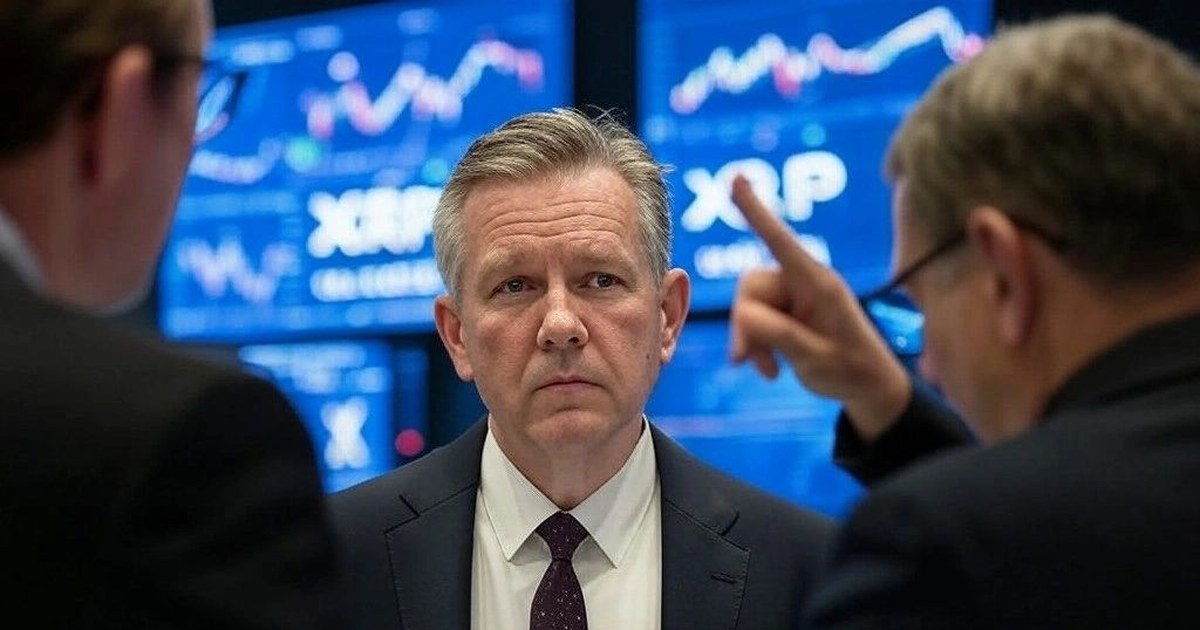
In a significant development for the cryptocurrency market, the Chicago Mercantile Exchange (CME) is poised to launch XRP futures on February 10, 2025. This move is widely anticipated to catalyze a new wave of institutional adoption for XRP, Ripple's flagship cryptocurrency, potentially reshaping its market dynamics and regulatory landscape. The Launch of XRP Futures
The CME, renowned as the world's leading derivatives marketplace, has been expanding its crypto offerings following the successful introduction of Bitcoin and Ethereum futures. XRP futures will be available in both standard and micro-sized contracts, allowing investors to manage their exposure to XRP without needing to directly hold the cryptocurrency. These contracts will be financially settled in USD, providing a regulated and liquid environment for trading.
- Contract Specifications:
- Standard XRP Futures: 50,000 XRP per contract
- Micro XRP Futures: 2,500 XRP per contract
Impact on Institutional Adoption1. Increased Liquidity and Price Discovery:
- The introduction of futures contracts by an institution like CME is expected to enhance XRP's liquidity. By providing a platform for price discovery without the need for direct crypto ownership, it opens up XRP to a broader audience, including those who might be wary of holding digital assets directly due to security or regulatory concerns.
2. Risk Management Tools:
- Institutional investors can now leverage futures to hedge against their holdings or speculate on XRP's price movements with less risk. This capability is crucial for financial institutions that need sophisticated tools to manage their portfolios, potentially leading to more stable and predictable market behavior for XRP.
3. Regulatory Endorsement:
- Although not an explicit endorsement, the listing of XRP futures on a regulated exchange like CME signals a step towards mainstream acceptance. It could ease the path for other regulatory bodies to view XRP more favorably, especially in light of Ripple's ongoing legal battles with the SEC.
4. Broader Access for Institutional Investors:
- Futures markets provide a familiar and regulated environment for traditional finance players to engage with cryptocurrencies. This could attract more institutional money into XRP, possibly from hedge funds, asset managers, and other large financial entities looking to diversify their investment strategies with digital assets.
5. Market Sentiment and Investment:
- The announcement has already started to influence market sentiment. Posts on X (formerly Twitter) indicate a growing optimism among XRP holders, with some market analysts predicting a positive impact on XRP's price due to the expected influx of institutional interest.
Challenges and Considerations
- Regulatory Uncertainty: Despite the launch, XRP's legal battle with the SEC remains unresolved, which could impact how institutions view long-term investment in XRP.
- Market Reaction: While the futures launch is seen as bullish, the market has shown a cautious response, waiting for actual trading volumes and price action post-launch to gauge real impact.
- Competition: Other cryptocurrencies are also vying for institutional attention through similar financial products, meaning XRP will need to maintain its competitive edge.
Looking Forward
The launch of XRP futures by CME is not just a technical expansion of trading options but a cultural shift in how institutional investors perceive cryptocurrencies. For XRP, this could mean:
- Enhanced credibility in financial markets.
- Greater alignment with traditional financial systems, possibly leading to more partnerships and use cases for Ripple's technology.
- A potential catalyst for broader crypto market acceptance if other exchanges follow suit.
As we approach the launch date, all eyes will be on how the market reacts and whether this move translates into sustained institutional investment in XRP. This development could mark a new chapter for XRP, one where it transitions from a cryptocurrency with niche applications to a staple in institutional investment portfolios, provided the broader regulatory and market environment supports such growth.