
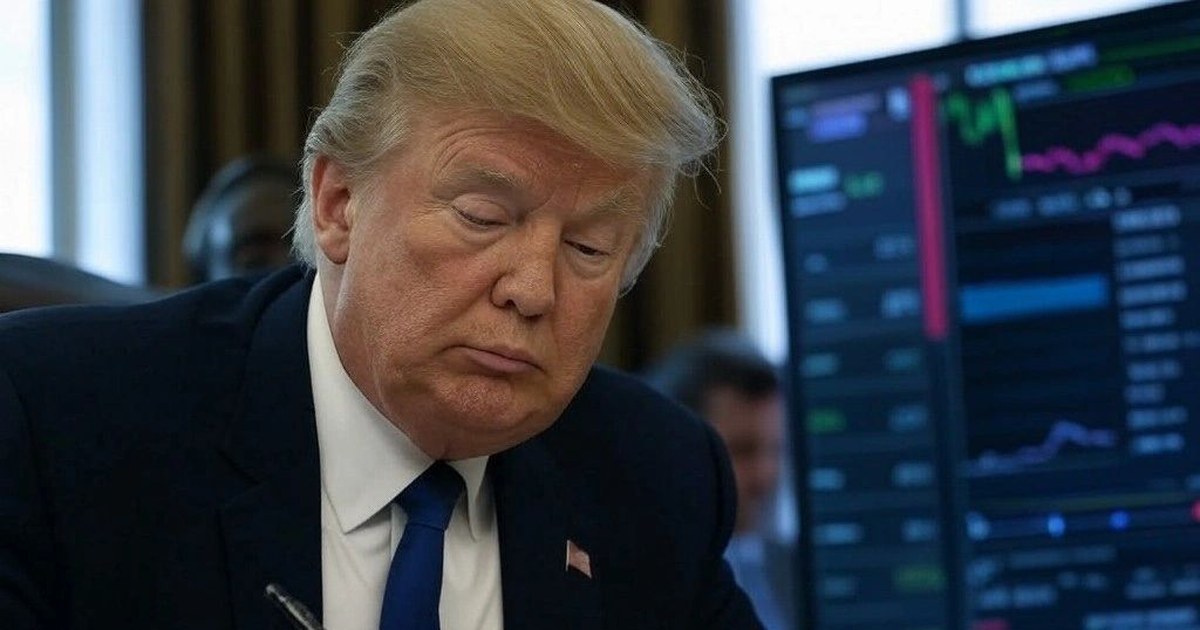
In an unexpected twist for the cryptocurrency ecosystem, Ripple's XRP, which had positioned itself as a potential backbone for Central Bank Digital Currencies (CBDCs), faces a significant setback due to an executive order signed by President Donald Trump. This order explicitly bans the development, issuance, or promotion of CBDCs in the United States, directly impacting XRP's primary value proposition in the global financial landscape.
XRP's CBDC Aspirations Halted
XRP was designed with the vision of becoming the global payment rails, especially for CBDCs. Ripple Labs, the company behind XRP, had been actively engaging with central banks worldwide to integrate their blockchain technology into national digital currencies. The promise was to provide a faster, more cost-effective method for cross-border payments compared to traditional systems like SWIFT. However, Trump's recent executive order has thrown a wrench into these plans. The ban on CBDCs has effectively removed a significant use case for XRP, leading to discussions on platforms like X about the future viability of XRP in this new regulatory environment.
The Decline of SWIFT and the Rise of Alternatives
Parallel to XRP's challenges, SWIFT, the long-standing international banking communication network, is witnessing its relevance wane due to the emergence of blockchain and other fintech solutions. Banks and financial institutions are now looking towards technologies that offer lower costs, higher efficiency, and greater reliability. The space is evolving at a breakneck pace, with regulators racing to keep up with the innovations. Alternatives to SWIFT are becoming not just viable but preferable, driven by the need for cheaper, faster, and more decentralized solutions.
Among these alternatives, Solana stands out. It has been noted for its superior transaction speeds and lower costs compared to other blockchain platforms, including XRP. Solana's decentralized nature contrasts sharply with the more centralized structure of XRP, which has been a point of contention and a regulatory risk. Solana's technology allows for transactions to be processed in seconds at a fraction of the cost, making it an attractive option for banks looking to modernize their payment systems.
Centralization and Regulatory Risks for XRP
One of the critical arguments against XRP in this new digital era is its level of centralization. Critics argue that XRP's structure, where a significant portion of tokens are held by Ripple Labs, makes it more akin to a traditional financial system than a truly decentralized cryptocurrency. This centralization has not only been a point of debate within the crypto community but also a potential regulatory target. The executive order by Trump underscores the vulnerability of centralized cryptos like XRP to government policies and regulations, as seen in discussions on X where users express concerns over XRP's future.
Conclusion
While XRP aimed to revolutionize global payments by serving as the rails for CBDCs, the recent executive order from President Trump has significantly altered its trajectory. The ban on CBDCs has not only derailed one of XRP's main goals but also highlighted the broader shift away from centralized systems in favor of more decentralized, efficient alternatives like Solana. As the financial world continues to evolve, the fate of XRP now hangs in balance, with its centralization posing both a regulatory risk and a competitive disadvantage in a market that increasingly values decentralization, speed, and cost-efficiency.
This scenario illustrates a pivotal moment in the crypto and fintech sectors, where the adaptation to regulatory changes and technological advancements will determine the future players in global payment systems.