
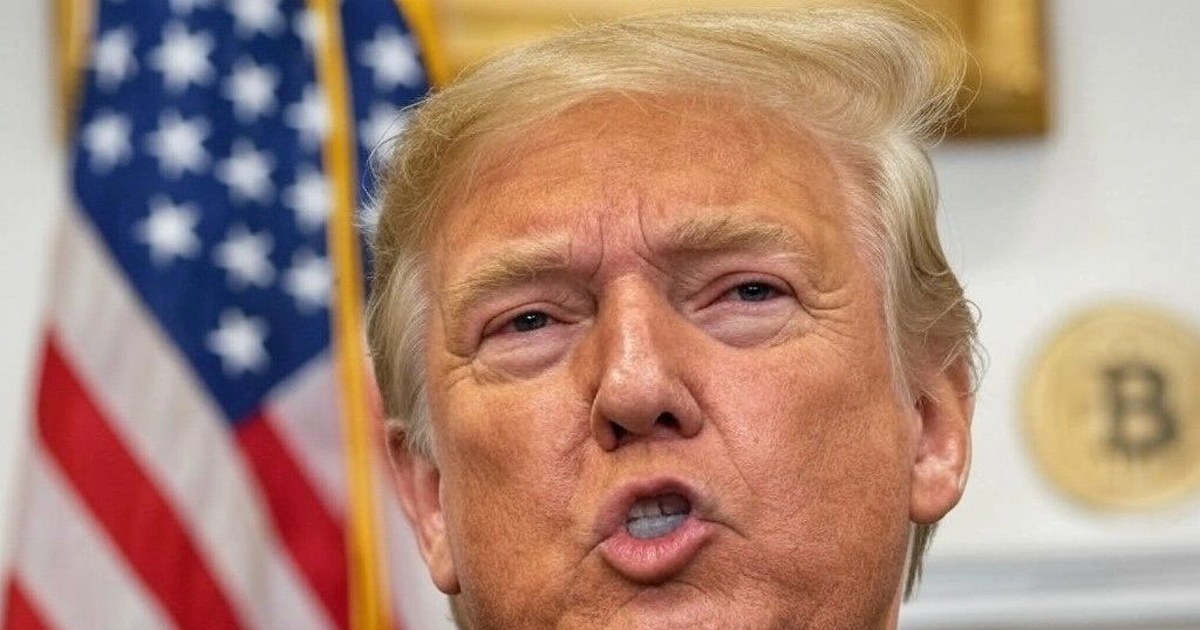
In an unprecedented move that could redefine the global economic landscape, U.S. President Donald Trump has signed an executive order to establish a sovereign wealth fund (SWF) with a significant focus on Bitcoin. This initiative, conceived during Trump's campaign and now brought to life, marks a pivotal moment for both the U.S. and the cryptocurrency industry.
The Significance of Trump's Bitcoin SWF
The creation of a U.S. sovereign wealth fund directly investing in Bitcoin is more than just a bold financial strategy; it's a statement on the future of currency and investment. Here's why this move is groundbreaking:
- Elevating Bitcoin's Status: By including Bitcoin in the SWF, Trump's administration is implicitly endorsing it as a legitimate asset class on par with traditional investments like stocks and bonds. This could accelerate Bitcoin's acceptance in mainstream finance.
- Economic Strategy: The fund aims to use Bitcoin not only for wealth accumulation but also potentially for strategic investments in technology, infrastructure, and national defense, aligning with Trump's vision of leveraging digital assets for national benefit.
- Global Influence: If successful, this could lead to a domino effect, encouraging other nations to consider Bitcoin in their SWFs, thereby increasing its global demand and, potentially, its price.
- Innovation in Finance: This move could spur innovation in how countries manage their wealth, blending traditional finance with digital assets, potentially leading to new financial instruments and services.
Bitcoin's Role in the Fund
According to recent statements and policy hints:
- Asset Allocation: Bitcoin could serve as a hedge against inflation or currency devaluation, diversifying the fund's portfolio beyond conventional assets.
- Strategic Reserves: The idea of a "Bitcoin strategic reserve" has been floated, suggesting that the U.S. might hold Bitcoin as a national asset, similar to gold reserves.
- Investment Vehicles: The fund might explore creating or investing in Bitcoin-related financial products, like ETFs or bonds backed by Bitcoin.
- Technological Development: Funds could be channeled into blockchain and crypto infrastructure, supporting American tech companies focused on digital currency solutions.
Countries Already Holding Bitcoin in Their SWFs
While the U.S. move under Trump is significant, it's not the first instance of a country integrating Bitcoin into its sovereign wealth strategy:
Norway: The Government Pension Fund Global, one of the world's largest SWFs, has indirect exposure to Bitcoin through investments in companies like MicroStrategy, which holds significant amounts of Bitcoin.
- Singapore: There's speculation and some evidence suggesting that Temasek Holdings, Singapore's SWF, has explored or invested in crypto assets, though with a focus on infrastructure rather than direct Bitcoin holdings.
- Qatar: Rumors have circulated regarding Qatar Investment Authority's interest in Bitcoin, although no official confirmations have been made.
- Saudi Arabia: The Public Investment Fund has shown interest in blockchain and digital assets, possibly holding Bitcoin as part of a broader strategy in fintech and innovation.
- Australia: The Future Fund has been known to invest in blockchain technology companies, providing a pathway for indirect Bitcoin exposure.
These countries' involvement with Bitcoin in their SWFs varies, with some focusing on the technology behind cryptocurrencies rather than direct investment in Bitcoin itself. However, Trump's initiative could push these entities to take more direct action, seeing the U.S. as setting a precedent.
Conclusion
Trump’s creation of a Bitcoin Sovereign Wealth Fund is not just about financial investment; it's about signaling a shift towards recognizing cryptocurrencies as integral to the future of national wealth management. As this fund takes shape, its influence could extend far beyond U.S. borders, potentially catalyzing a new era of digital asset management and economic policy. The implications for Bitcoin's price, its stability, and its role in global finance are profound, marking a new chapter in economic history where digital currencies play a starring role.