
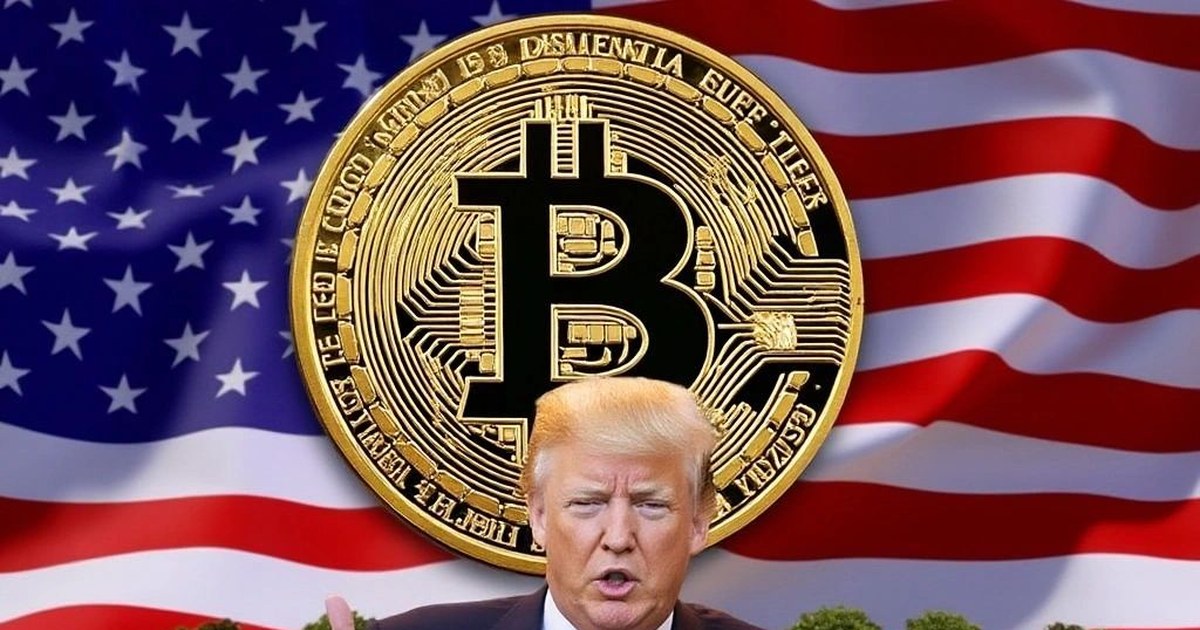
In a surprising pivot from his past skepticism, Donald Trump, the President-elect of the United States, has emerged as an advocate for cryptocurrencies, particularly Bitcoin, during his recent campaign trail. This change in stance has not only captured the attention of the crypto community but has also influenced market trends, with Bitcoin reaching new heights in anticipation of a more crypto-friendly administration. Here's a comprehensive recap of Trump's promises and policy proposals concerning Bitcoin and digital assets:
1. Firing SEC Chairman Gary Gensler
One of Trump's most direct promises was to replace the current Securities and Exchange Commission (SEC) Chairman, Gary Gensler, on his first day in office. Gensler, known for his stringent regulatory approach towards cryptocurrencies, has been a figure of contention within the crypto industry. Trump's commitment to appoint a new, presumably more industry-friendly, SEC chairman was met with enthusiasm from crypto enthusiasts who hope for less regulatory friction in their operations.
2. Establishing a U.S. Strategic Bitcoin Reserve
Trump proposed the creation of a Strategic Bitcoin Reserve for the United States, a move intended to legitimize Bitcoin as a reserve asset. By keeping 100% of the Bitcoin that the U.S. government currently holds or acquires in the future, Trump aims to position the U.S. as a leader in recognizing Bitcoin's potential as a store of value. This policy could significantly influence global perceptions of Bitcoin, potentially leading to increased adoption and stability.
3. Boosting U.S. Bitcoin Mining
To ensure that the future of crypto, especially Bitcoin, is largely made in the USA, Trump pledged to support the Bitcoin mining industry. This includes promoting policies that would facilitate easier access to electricity for miners, potentially through fossil fuels and nuclear energy, aiming to make America the "crypto capital of the world." This promise underscores his vision of America leading in the crypto mining space, which could enhance the competitiveness of U.S. miners on the global stage.
4. Right to Self-Custody
Trump vowed to support the right of self-custody for America's millions of crypto holders, a fundamental principle in the crypto world where "not your keys, not your coins" is a mantra. This promise aligns with libertarian ideals of financial freedom, emphasizing the protection of individual rights to control their digital assets without undue government or third-party interference.
5. No Central Bank Digital Currency (CBDC)
In line with his general stance against government control over personal finances, Trump has promised to block the development of a CBDC in the U.S. He views such currencies as a threat to privacy and freedom, arguing that they would allow the government too much oversight over personal transactions.
6. Regulatory Changes and Clarity
Trump's speeches highlighted a desire for clear and fair regulations in the crypto space. This includes the intention to form a "Bitcoin and Crypto Presidential Advisory Council" tasked with crafting regulatory guidance beneficial to the industry. His vision is for regulations that foster innovation rather than stifle it, which could involve shifting some regulatory oversight from the SEC to the Commodity Futures Trading Commission (CFTC), seen as potentially more crypto-friendly.
7. Opposition to What He Terms as Biden's Crypto Crackdown
Trump has often positioned his crypto stance in opposition to what he describes as Biden's "hatred of Bitcoin," suggesting that his administration would reverse or mitigate any perceived hostile policies towards digital assets.
Market Response
The crypto markets have responded positively to Trump's victory, with Bitcoin hitting new all-time highs. This surge reflects the market's optimism about a policy environment that could be more conducive to the growth of digital currencies and blockchain technologies.
Conclusion
Donald Trump's campaign promises related to Bitcoin and digital assets signal a significant shift in policy direction compared to previous administrations. If these promises are realized, they could usher in a new era for cryptocurrencies in the U.S., potentially leading to increased mainstream adoption, innovation, and possibly a more defined regulatory framework that supports rather than hinders the crypto industry. However, the implementation of these policies will depend on various factors, including political support, regulatory approval, and economic conditions, making it crucial to watch how these promises evolve into actual policy.