
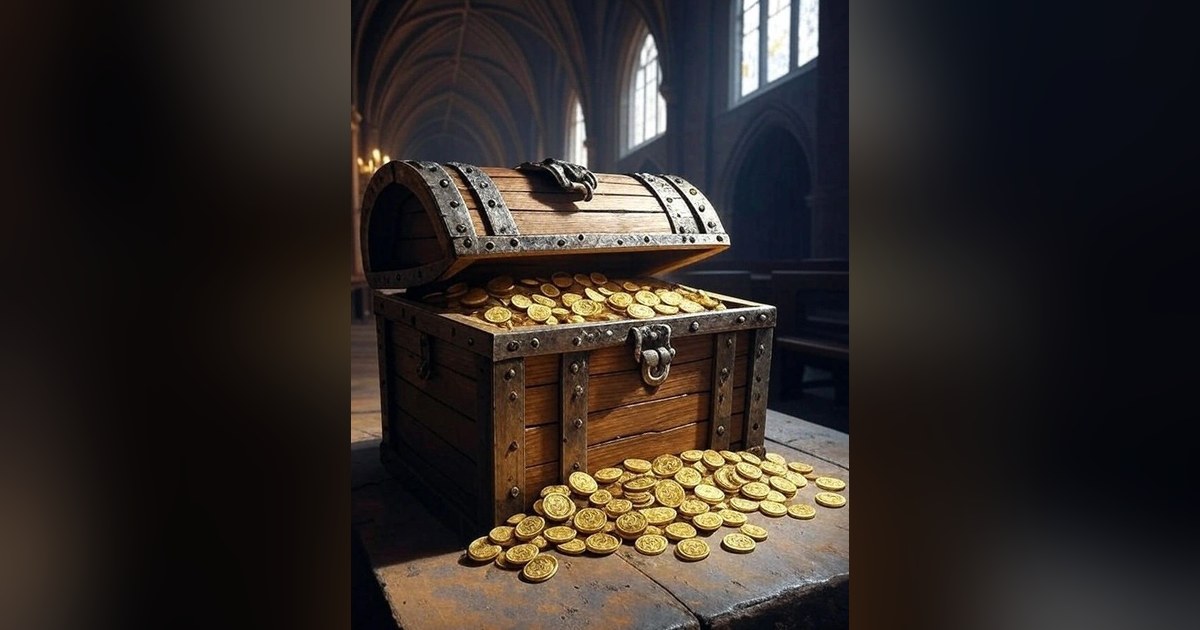
Throughout human history, few currencies have matched the enduring impact of the Roman-Byzantine solidus, a gold coin that, for nearly a millennium, served as the bedrock of economic stability, international trade, and prosperity in the Byzantine Empire. Often overshadowed by the modern dollar or ancient denarius, the solidus stands as arguably the second most important currency ever created, underpinning a thousand years of Eastern Roman dominance and shaping global commerce. Its rise to prominence, role as an international standard, and eventual decline through debasement offer a compelling story of economic triumph and cautionary collapse.
Origins and Rise of the Solidus Introduced in 312 CE by Emperor Constantine the Great, the solidus (plural: solidi) was a response to the economic turmoil of the late Roman Empire, where rampant inflation and debased coinage had eroded trust in currency. Struck at 72 to the Roman pound of pure gold (approximately 4.5 grams per coin), the solidus was designed to restore confidence. Its consistent weight and near-perfect purity—often exceeding 95% gold—made it a reliable store of value, unlike the silver denarius, which had succumbed to debasement. The solidus quickly became the cornerstone of Byzantine finance after Constantinople emerged as the capital of the Eastern Roman Empire. Its stability fostered trust among merchants, taxpayers, and the state, enabling the empire to fund its vast bureaucracy, professional army, and monumental projects like the Hagia Sophia. For the Byzantine population, the solidus meant predictable wages, stable prices, and access to a vibrant economy that connected Europe, Africa, and Asia.
A Thousand Years of Prosperity The Byzantine Empire, often called Eastern Rome, thrived for over a thousand years (330–1453 CE), and the solidus was central to this longevity. Its reliability underpinned a sophisticated economy that supported a population of millions, even as Western Rome crumbled. The coin circulated widely within the empire, from Constantinople’s bustling markets to rural provinces, ensuring that farmers, artisans, and traders could transact with confidence. The solidus facilitated massive state expenditures without destabilizing the economy. Emperors used it to pay soldiers, maintain the Theodosian Walls, and subsidize diplomacy with neighboring powers. Its purity and consistent weight made tax collection efficient, as citizens trusted the coin’s value. This fiscal stability allowed the empire to weather invasions, plagues, and internal strife, including the Justinian Plague and Arab conquests of the 7th century. For the average Byzantine, the solidus (and its fractions, like the semissis and tremissis) meant access to a diverse marketplace. Goods from as far as China, India, and Scandinavia flowed through Constantinople, where the solidus was the preferred medium of exchange. This economic vitality supported a high standard of living for many, with urban centers boasting advanced infrastructure, education, and culture unmatched in medieval Europe.
The International Standard for Trade By the 5th century, the solidus had transcended Byzantine borders to become the world’s preeminent currency, akin to the U.S. dollar today. Its uniform quality and widespread acceptance made it the gold standard for international trade across three continents. Merchants in Persia, India, and Western Europe preferred the solidus for large transactions, as its value was universally recognized. The solidus dominated trade routes, from the Silk Road to the Mediterranean. Arab traders, lacking a standardized coinage until the 7th century, relied heavily on Byzantine solidi. When the Umayyad Caliphate introduced the gold dinar in the 690s, it was explicitly modeled on the solidus, mimicking its weight and purity to compete in global markets. Even in Western Europe, where local coinage was scarce after Rome’s fall, the solidus remained a benchmark for value, influencing early medieval currencies like the Frankish sou. This international dominance stemmed from the Byzantine Empire’s unique position as a commercial hub and the solidus’s unmatched reliability. Foreign rulers hoarded solidi as reserves, and Byzantine emperors leveraged the coin’s prestige to secure alliances, paying tributes or subsidies to groups like the Huns or Persians. The solidus was not just money—it was a symbol of imperial power and economic sophistication.
The Decline: Debasement and the Fall of Eastern Rome The solidus’s downfall began in the 10th and 11th centuries, mirroring the empire’s broader decline. Facing mounting military and economic pressures— including invasions by Seljuk Turks, Crusader disruptions, and internal corruption—Byzantine emperors resorted to debasing the solidus. By reducing its gold content and alloying it with silver or copper, they could mint more coins to cover deficits, but this eroded trust. Under Emperor Alexios I Comnenus (r. 1081–1118), the solidus—by then called the nomisma—had lost much of its purity, dropping to as low as 50% gold in some periods. This debasement triggered inflation, as merchants and citizens demanded more coins for goods and services. International confidence waned, and rival currencies, like the Venetian ducat and Islamic dinar, began to supplant the solidus in global trade. The economic fallout was devastating. Debased coinage strained the empire’s ability to pay its armies, leading to military defeats. Tax revenues dwindled as citizens hoarded older, purer solidi or resorted to barter. The Fourth Crusade’s sack of Constantinople in 1204 dealt a near-fatal blow, and the empire never recovered its economic might. By the time Constantinople fell to the Ottomans in 1453, the solidus had long ceased to be a global standard, replaced by a debased hyperpyron that symbolized the empire’s collapse.
Legacy and Lessons The solidus’s story is one of extraordinary achievement and cautionary failure. For nearly a millennium, it sustained the Byzantine Empire’s prosperity, enabling a level of economic and cultural sophistication unrivaled in its time. Its role as the international currency of choice shaped global trade and influenced monetary systems across civilizations. Yet, its debasement underscores a timeless lesson: undermining a currency’s integrity can precipitate economic and political ruin. As the second most important currency in human history, the solidus rivals even the modern dollar in its historical impact. Its legacy endures in the gold coins of later empires, the etymology of words like “soldier” (from solidus, the soldier’s pay), and the monetary systems that learned from its strengths and failures. The solidus reminds us that a currency’s power lies not just in its metal but in the trust it commands—a trust that, once broken, is nearly impossible to restore