
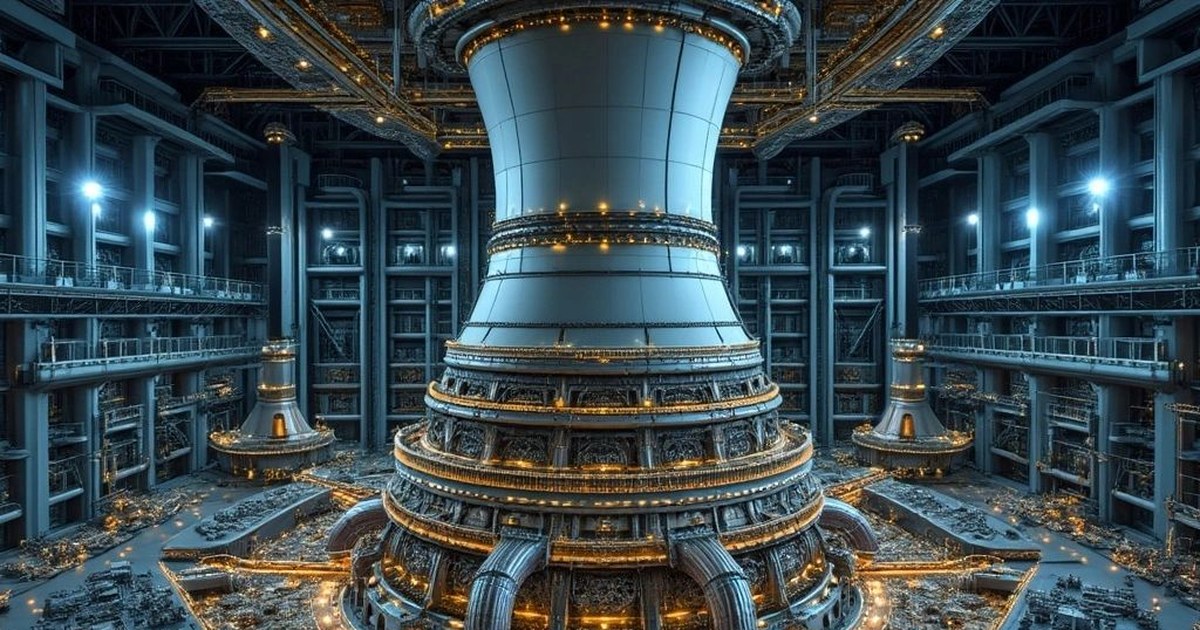
The Bitcoin network's energy consumption has long been a topic of debate. As the global energy landscape shifts towards low-emission sources, nuclear power is poised to play a significant role in shaping Bitcoin's future. We'll explore the projected impact of nuclear energy on Bitcoin's hash rate, considering the expanding nuclear capacity, declining costs, and increasing energy efficiency.
Nuclear Energy's Growing Share
By 2030, nuclear power capacity is expected to double, reaching 812 GW globally. This expansion will significantly increase the availability of low-emission energy, benefiting energy-intensive industries like Bitcoin mining.
Hash Rate Projections
- Increased energy supply: Nuclear power's growth will provide a reliable, low-cost energy source for miners, driving hash rate increases.
- Improved energy efficiency: Advancements in mining technology and nuclear power's high capacity factors (85-90%) will optimize energy usage.
- Hash rate growth: Predicted to reach 300-400 EH/s by 2030, up from 150-200 EH/s in 2022.
Key Factors Influencing Hash Rate
- Energy costs: Nuclear power's levelized cost of electricity (USD 40/MWh) will make mining more competitive.
- Mining difficulty: Adjustments to mining difficulty will balance hash rate growth.
- Regulatory environments: Favorable regulations in nuclear-powered countries will attract miners.
- Technological advancements: Next-generation mining rigs will optimize energy efficiency.
Regional Impact
- China: Nuclear-powered provinces (e.g., Fujian, Guangdong) will dominate mining.
- United States: Nuclear-friendly states (e.g., Illinois, Ohio) will attract miners.
- Europe: Countries with nuclear expansion plans (e.g., France, UK) will see increased mining activity.
Challenges and Opportunities
- Scalability: Nuclear power's intermittency requires flexible mining operations.
- Security: Centralized nuclear power plants pose security risks.
- Innovation: Nuclear-powered Bitcoin mining can drive advancements in energy storage and grid resilience.
Conclusion
The convergence of nuclear energy and Bitcoin mining will transform the global hash rate landscape. As nuclear power expands, energy costs decrease, and mining technology improves, Bitcoin's network security and decentralization will strengthen. Embracing this synergy will be crucial for the sustainable growth of both industries.