
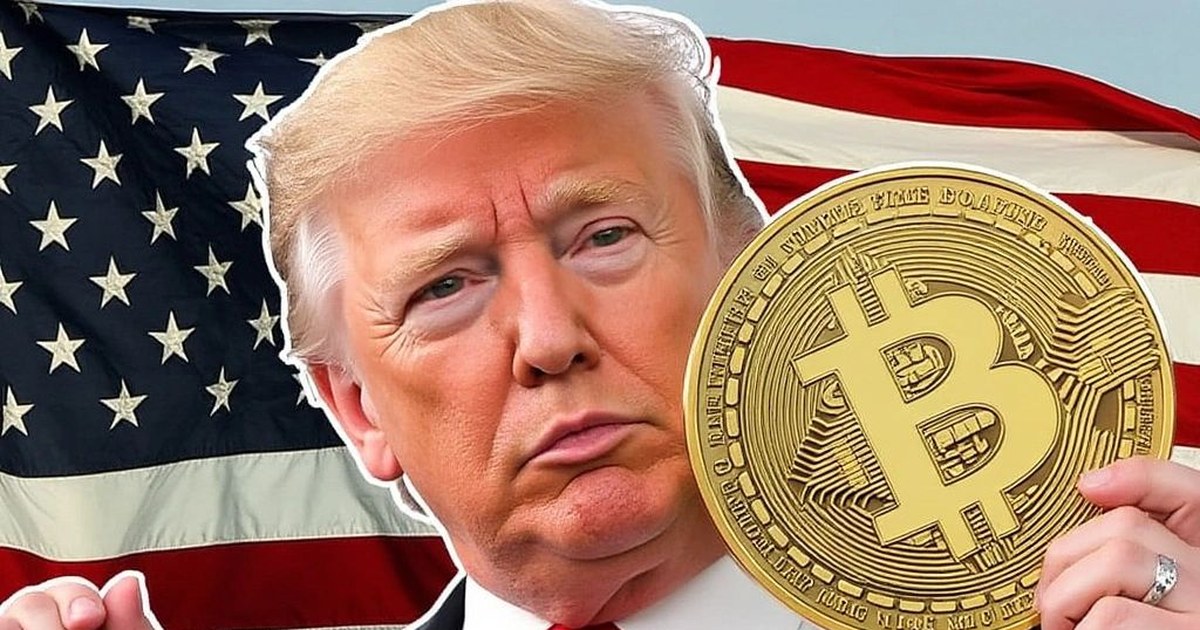
Recent whispers in the crypto community and among financial circles suggest that the Trump administration might be contemplating a groundbreaking shift in policy: making transactions involving Bitcoin and other cryptocurrencies tax-free. This rumor, if true, could revolutionize the digital asset landscape, offering a significant boost to the crypto economy in the United States. Here’s an exploration of what this could mean:
The Proposal
According to discussions on social media platforms like X and various news outlets, the Trump administration is rumored to be considering:
- Zero Capital Gains Tax on Crypto: Investors would not have to pay capital gains taxes on profits made from selling or trading cryptocurrencies like Bitcoin, Ethereum, or XRP, especially if these assets were created or registered in the U.S.
- Incentive for Domestic Crypto Creation: This policy would ostensibly encourage more cryptocurrency projects to base themselves in the U.S., potentially making it a global hub for digital currency innovation.
Economic Implications1. Investment Surge:
- Attracting Capital: The absence of capital gains tax could draw massive capital into cryptocurrencies, not only from domestic investors but also from international players looking to leverage the U.S. market's tax advantages.
- Boost for Startups: New crypto ventures might find the U.S. an attractive location to set up, given the financial incentives, potentially leading to a boom in blockchain technology startups.
2. Market Dynamics:
- Price Volatility: The initial reaction might be a surge in crypto prices due to increased demand. However, over time, this could stabilize as the market adjusts to the new tax environment.
- Increased Liquidity: With more investors potentially entering the market, liquidity could improve, making crypto markets less susceptible to manipulation and more robust for large-scale transactions.
3. Fiscal Impact:
- Revenue Concerns: Critics argue that this move could lead to a significant drop in tax revenue, especially if crypto gains become a large part of investors' portfolios. However, proponents might argue that increased economic activity and innovation in the crypto sector could counteract this through other forms of taxation.
Legal and Regulatory Challenges
- Defining 'Crypto' for Tax Purposes: Deciding which assets qualify for this tax exemption could be complex. Would all cryptocurrencies be included, or only those meeting certain criteria?
- Regulatory Alignment: The IRS and other regulatory bodies might need to adjust their frameworks to accommodate this policy, potentially leading to new regulations or amendments to existing tax laws.
Global Comparisons
- Competitive Edge: If implemented, the U.S. would be competing with countries like Dubai or Singapore for the title of "crypto-friendly" jurisdiction, potentially attracting businesses and talent away from these regions.
- International Reaction: Other countries might respond by lowering their own crypto taxes or finding other ways to attract crypto businesses, potentially leading to a global race to the bottom on crypto taxation.
Potential Downsides
- Risk of Speculation: Lowering taxes to zero might encourage speculative investment without proper due diligence, potentially inflating a bubble.
- Equity Issues: Tax benefits for crypto could be seen as favoring wealthier investors, who are more likely to engage in significant crypto transactions, over those investing in traditional assets.
Conclusion
The rumor of the Trump administration considering tax-free crypto transactions is more than just fiscal policy chatter; it's a reflection of the growing influence and acceptance of digital currencies in mainstream finance. Whether this rumor holds weight or not, it underscores a pivotal moment for cryptocurrencies, where policy could either bolster their integration into the global economy or highlight the complexities of regulating such assets. As with all rumors, investors should remain cautious, awaiting official announcements while considering the broader implications for both the crypto market and the U.S. economy.