
In recent years, the landscape of gold mining has seen significant developments that promise to reshape the global gold market. In China, one of the world's largest gold producers, a "supergiant" deposit was discovered in the Hunan province, under the Wangu gold field. This deposit is potentially the largest known reserve of gold on Earth, with estimates suggesting it contains up to 1,100 tons of gold, valued at around $83 billion. This discovery alone could lead to a significant increase in China's gold output, which already accounts for about 10% of the global supply. The high quality of the ore, with over 138 grams per metric ton, adds to its economic viability. In the United States, while no single discovery matches the scale of Hunan's deposit, there has been a resurgence in gold exploration, especially in regions like Nevada and Alaska. The U.S. has a rich history with gold, notably with the California Gold Rush, but modern mining techniques and geological surveys suggest potential for new significant finds. The U.S. Geological Survey and various mining companies have been actively exploring regions with known gold deposits, aiming to revitalize domestic gold production. The Cosmic Frontier: Asteroid Mining
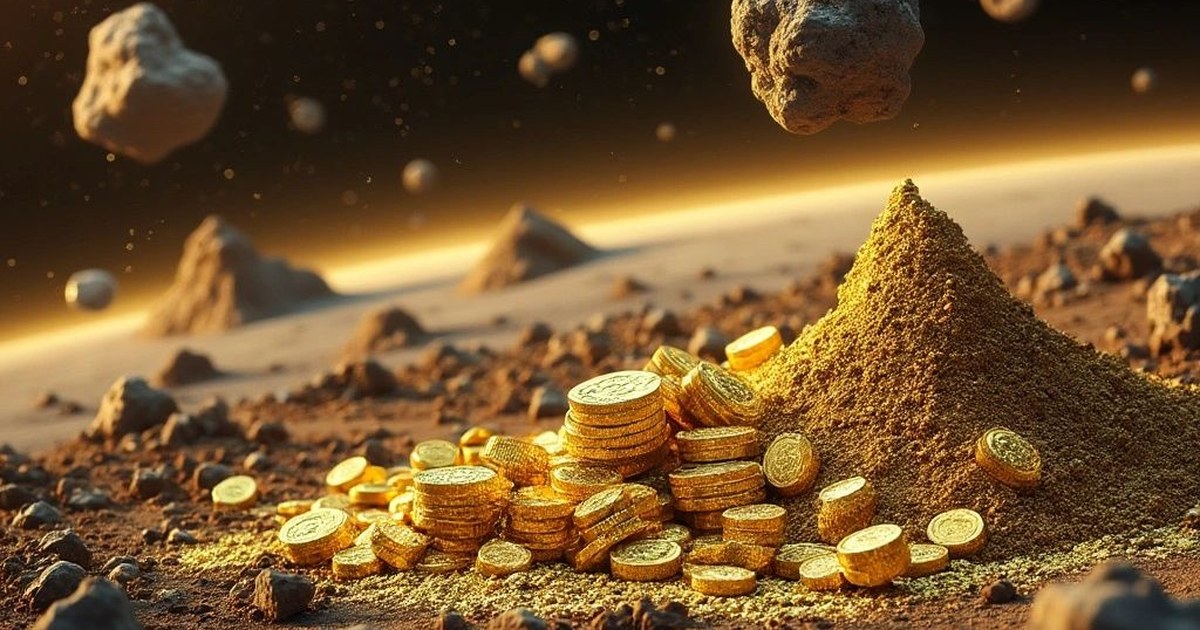
While terrestrial gold mining continues to expand, a more futuristic approach is gaining traction: asteroid mining. The idea of extracting resources from asteroids has been popularized in science fiction, but it's becoming a reality in the realm of space exploration and resource management. Asteroids can contain high concentrations of precious metals, including gold, which might be more accessible than mining deeper into Earth's crust. The potential for asteroid mining is substantial. For instance, the asteroid Psyche, which NASA plans to explore, is believed to be composed largely of metal, potentially including significant amounts of gold. If viable, asteroid mining could introduce a new supply of gold into the market, which might disrupt traditional gold economics. However, the technology and infrastructure required for such operations are still in nascent stages, involving high costs and complex logistics. The first commercial asteroid mining operations are projected to begin in the 2030s, contingent on technological advancements and international space law agreements. Impact on Gold Supply and Price Supply Dynamics:
- Terrestrial Discoveries: The new finds in China and potential increases in U.S. production could stabilize or even increase global gold supply in the short term. However, these are finite resources, and the rate of new discoveries versus extraction will dictate long-term supply trends.
- Asteroid Mining: Should asteroid mining become feasible, it could dramatically increase the gold supply, potentially leading to an oversupply scenario unless consumption similarly expands.
Price Implications:
- Immediate Effects: The announcement of significant new deposits, like in Hunan, has already shown an impact by pushing gold prices upward due to speculation and increased demand for investment in mining companies.
- Long-term Outlook: If asteroid mining becomes a reality, the influx of gold could depress prices if the market cannot absorb the additional supply. However, gold's role as a safe-haven asset and in industrial applications might mitigate extreme price drops. The real challenge would be in integrating asteroid-mined gold into the global economy, considering the costs of transportation and refining.
Conclusion
The recent gold discoveries in China and the U.S., coupled with the potential of asteroid mining, paint a complex picture for the future of gold. While terrestrial mining continues to find new veins of this precious metal, the cosmic frontier offers a speculative but potentially revolutionary source of gold. These developments could lead to a more diversified supply chain, potentially stabilizing or even reducing gold prices, but they also come with new challenges regarding sustainability, environmental impact, and economic models. The gold market will need to adapt to these new realities, balancing between traditional mining legacies and the high-tech promise of space resources.