
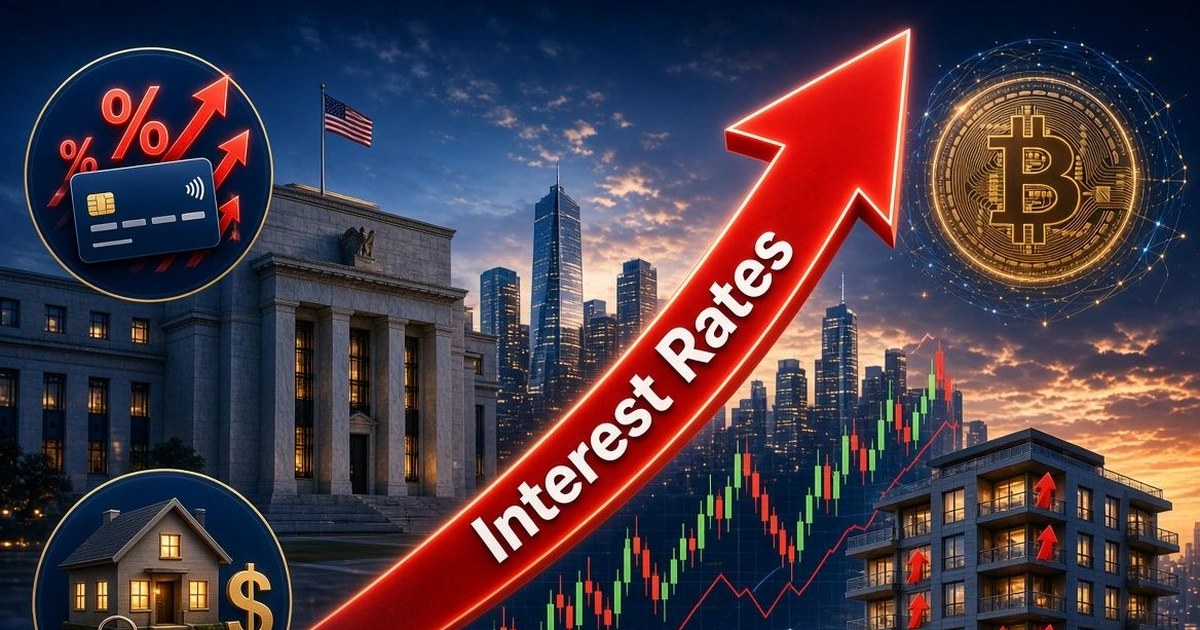
The Federal Reserve raised its benchmark interest rate by a quarter percentage point on September 16, 2026, lifting the federal funds target range to 3.75%–4%. This was the first increase since July 2023 and the first major policy shift under Chair Kevin Warsh. Officials cited elevated inflation (partly linked to geopolitical factors and energy prices) while noting solid economic activity, resilient domestic spending, strong productivity, and a stable labor market. The unanimous decision aims to support a return to the Fed’s 2% inflation goal. (federalreserve.gov)
Policymakers’ updated projections (the “dot plot”) show a strong majority expecting at least one additional quarter-point hike by the end of 2026, which would push the range toward 4%–4.25%. A smaller number see the possibility of two more increases this year. Rates are generally expected to hold steady or see limited further moves in 2027 before potential cuts later. Next meetings are scheduled for late October and December 2026. Outcomes will depend on incoming inflation data, energy prices, and economic resilience. (nytimes.com)
Higher rates make borrowing more expensive and saving more attractive. This slows demand to cool inflation but raises costs for households and businesses while pressuring risk assets. Here’s how the recent hike—and a potential further increase—typically affect individuals in key areas.
Credit Cards
Most credit cards carry variable rates tied to the prime rate, which moves with the federal funds rate. A 0.25% Fed hike usually leads banks to raise the prime rate by the same amount, pushing average credit card APRs higher (already elevated in the low-to-mid 20% range in recent years).People who carry balances will see higher interest charges on revolving debt. Minimum payments may edge up slightly, and the total cost of carrying debt grows over time, especially for those making only minimum payments. Paying balances in full each month avoids interest, so the impact is limited for disciplined users. A further hike would compound this effect. Strategies include paying down high-rate balances aggressively, transferring balances to lower-rate cards (where available), or seeking fixed-rate options if possible.
Rent
Rent is less directly tied to Fed rates than mortgages, but higher borrowing costs affect landlords and the broader housing market. Property owners with variable-rate loans or those refinancing face higher expenses, which can lead to rent increases to maintain margins. Higher rates also cool homebuying, keeping more people in the rental market and supporting demand (and potentially prices) in tight markets.In the near term, existing leases are usually fixed, so current renters may not see immediate changes. New leases or renewals could face upward pressure, especially if inflation remains sticky or housing inventory stays limited. A potential additional hike would reinforce these dynamics. Renters can benefit by locking in longer leases where possible or exploring markets with more supply.
Buying or Selling a House
Mortgage rates track longer-term Treasury yields more closely than the federal funds rate itself, but Fed hikes influence the broader rate environment and expectations. Recent data showed 30-year fixed mortgage rates already near or above the mid-to-high 6% range (approaching 7% in some readings) amid rising yields and inflation concerns. coinpaper.com
- Buyers: Higher rates increase monthly payments for the same loan amount, reducing purchasing power. A further rate increase would make homes less affordable, potentially slowing demand and giving buyers more negotiating room in some markets. Adjustable-rate mortgages become riskier.
- Sellers: Cooling demand can lengthen time on market and pressure prices or force concessions. Homeowners with low existing rates may stay put (“rate lock-in”), limiting inventory. Cash buyers or those with strong equity are relatively less affected.
Overall, the housing market tends to slow under sustained higher rates. Prospective buyers should stress-test budgets for higher payments; sellers may need realistic pricing. Refinancing becomes less attractive for those with older low-rate mortgages.
Stocks
Higher interest rates generally pressure equity valuations. Future corporate earnings and cash flows are discounted more heavily, and borrowing costs rise for companies. Growth stocks (especially tech) are often more sensitive because much of their value is tied to distant future profits. Higher rates also make bonds and cash more competitive relative to stocks, prompting some rotation out of equities. Historically, the start of a hiking cycle can bring volatility and drawdowns, though markets sometimes recover if the economy remains resilient and inflation cools as intended. A potential additional hike could extend pressure in the short term, particularly if it signals a more prolonged restrictive stance. Diversification, a long-term horizon, and focusing on companies with strong balance sheets or pricing power can help manage risk. Dividend-paying or value-oriented stocks may hold up relatively better than pure growth names in a higher-rate environment.
Crypto, Mainly Bitcoin
Bitcoin and other cryptocurrencies are highly sensitive to liquidity and risk appetite. Higher rates raise the opportunity cost of holding non-yielding assets like Bitcoin, strengthen the dollar in many cases, and encourage flows toward interest-bearing instruments (Treasuries, savings accounts). Tighter financial conditions often coincide with reduced speculative demand. Bitcoin has historically performed better in low-rate, high-liquidity environments and faced headwinds during aggressive hiking cycles. Recent periods of rising yields and rate-hike expectations have weighed on prices alongside other risk assets. A further Fed hike could add short-term downward pressure, though crypto remains influenced by its own factors (adoption, regulation, ETF flows, halvings, and sentiment). Long-term holders often view Bitcoin through a different lens (scarcity, digital gold narrative), but near-term price action frequently tracks broader risk markets and monetary policy expectations.
Broader Takeaways for Individuals
The recent hike and the possibility of another increase this year make debt more expensive and can slow asset-price appreciation in housing, stocks, and crypto. On the positive side, savers may see higher yields on high-yield savings accounts, CDs, and money-market funds. Inflation fighting aims to preserve purchasing power over time, though the transition can feel painful for borrowers and risk-asset holders.Practical steps include reviewing variable-rate debt, building emergency savings that now earn more, stress-testing major purchases (especially homes), and maintaining a diversified, long-term investment approach rather than reacting to short-term rate moves. Economic data and Fed communications in the coming months will shape whether further increases materialize. Individual circumstances vary widely—consult a financial advisor for personalized guidance.