
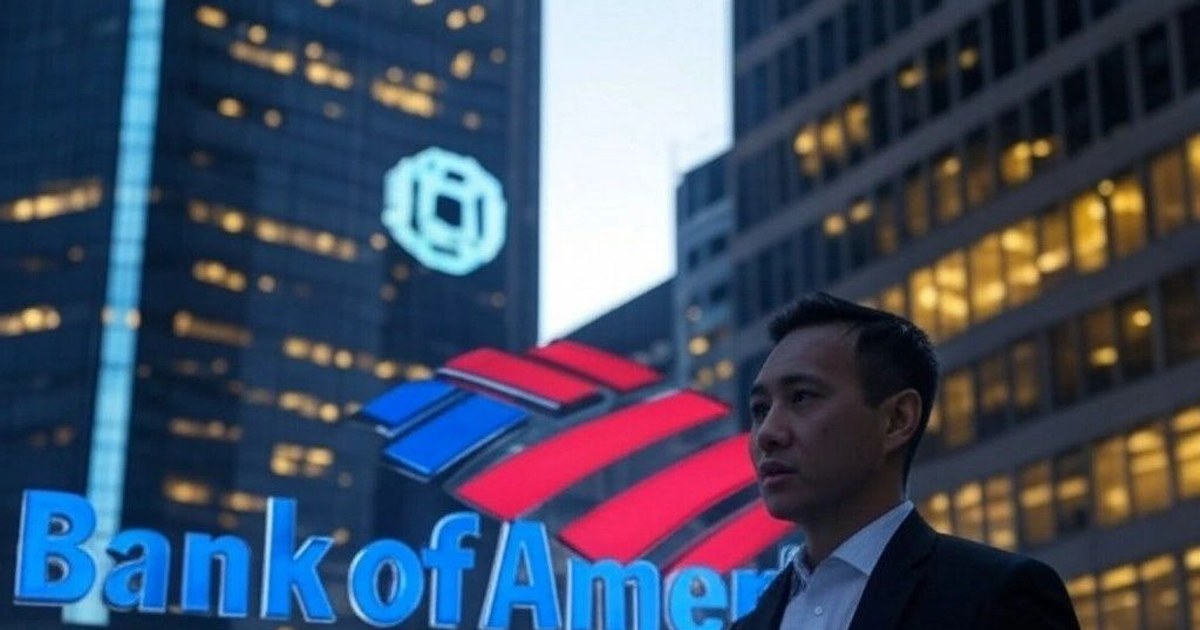
Charlotte, NC, January 21, 2025 - Bank of America, one of the largest financial institutions in the United States, is signaling its readiness to dive into the cryptocurrency services sector, underpinned by its extensive work in blockchain technology. As regulatory landscapes evolve, the bank is poised to leverage its significant investments in patents and strategic partnerships to offer crypto services to its vast customer base.
Eagerness for Crypto Services Recent statements from Bank of America's CEO, Brian Moynihan, at the World Economic Forum in Davos, have sparked industry interest. Moynihan indicated that the bank is prepared to embrace cryptocurrency payments "if the rules come in and make it a real thing." This sentiment is backed by years of groundwork in blockchain and crypto-related technologies, positioning Bank of America to potentially lead mainstream banks into the crypto sphere once regulatory clarity is achieved. Strategic Partnerships Bank of America has not publicly announced direct partnerships specific to cryptocurrency services as of early 2025. However, there have been mentions and rumors in the crypto community:
- Ripple (XRP): There have been persistent rumors and some posts suggesting a partnership or at least significant interest in Ripple's technology. These claims mention Bank of America's use of XRP for internal transactions and their interest in Ripple's distributed ledger technology. However, these reports have been more speculative than confirmed.
- Broader Tech Collaborations: The bank has historically collaborated with tech firms and startups through consortiums like R3, which focuses on developing blockchain solutions for financial services. While not specifically crypto-focused, these collaborations demonstrate the bank's commitment to blockchain technology which could extend into crypto services.
Blockchain-Related Patents Bank of America has been notably proactive in securing blockchain patents, showcasing their interest in the technology's application:
- Numerous Blockchain Patents: As of the latest reports, Bank of America holds hundreds of blockchain-related patents. This includes patents related to:
- Secure Storage for Cryptocurrency Keys: Patents describe systems for ensuring the security of private keys used in cryptocurrency transactions.
- Cryptocurrency Risk Detection: Systems to detect and manage risks associated with cryptocurrencies.
- Multi-Tiered Digital Currency Wallets: A patent application for a wallet system that can manage multiple cryptocurrencies with different access levels.
- Blockchain-Based ATM Systems: Patents for ATMs that could potentially interact directly with blockchain or cryptocurrency systems.
- Cryptocurrency Exchange Systems: Patents for systems that could facilitate the exchange of digital currencies.
- Patent Growth: In 2021, Bank of America achieved a record-breaking year for patent grants, with 512 patents, including a significant portion in blockchain technology, showing a 86% increase from the previous year.
Future Outlook The readiness of Bank of America to enter the crypto services market is contingent on regulatory approval, but the groundwork laid through patents and rumored partnerships suggests a strategic positioning. As regulatory frameworks become more defined, Bank of America's extensive patent portfolio could allow it to move swiftly, potentially reshaping how cryptocurrencies are integrated into traditional banking services.
Conclusion Bank of America's approach to blockchain and cryptocurrencies has been one of cautious yet proactive engagement. While the bank awaits regulatory green lights, its accumulation of blockchain patents and tech collaborations indicate a significant potential for transformation in the banking sector. This move could bridge traditional finance with the digital asset economy, potentially setting a new standard for banking in the age of crypto.